Why 2026 College Football Defies Prediction
Only 14 regular-season weeks separate August kickoff from December selection pressure, yet 2026 college football will be shaped less by one headline ranking than by schedule density, travel, injuries,...
Why 2026 College Football Defies Prediction
Only 14 regular-season weeks separate August kickoff from December selection pressure, yet 2026 college football will be shaped less by one headline ranking than by schedule density, travel, injuries, conference context, and College Football Playoff positioning. Football Insights, a World Cup-focused analytics site serving global betting and tactics audiences, applies the same evidence-first lens to the United States college football market: compare ESPN schedule windows, NCAA FBS rankings, venue data, odds movement, and team efficiency before drawing conclusions. The 2026 season includes Week 1 from August 22 to September 7, bowl games from December 13 to January 27, and the CFP National Championship scheduled for January 25, 2027, at Allegiant Stadium in Las Vegas. Early lines such as USC -35.5 versus San Jose State show market expectations, not certainty. The actionable takeaway: treat college football as a weekly information market, not a preseason prediction contest.
The stadium lights come on before the models are ready. A Week 1 board may show North Carolina versus TCU in Dublin, USC at the Los Angeles Memorial Coliseum, and NC State at Scott Stadium, but those listings are only the surface layer of college football analysis. Beneath them sit time-zone travel, quarterback continuity, coaching changes, roster depth, FCS-to-FBS transfer impact, weather volatility, and market overreaction. For readers of Football Insights, the lesson is familiar from FIFA World Cup coverage: match context often beats reputation, and a disciplined bettor should ask what the number is really measuring before trusting it.
For deeper cross-sport tactical thinking, start here before building your weekly card.
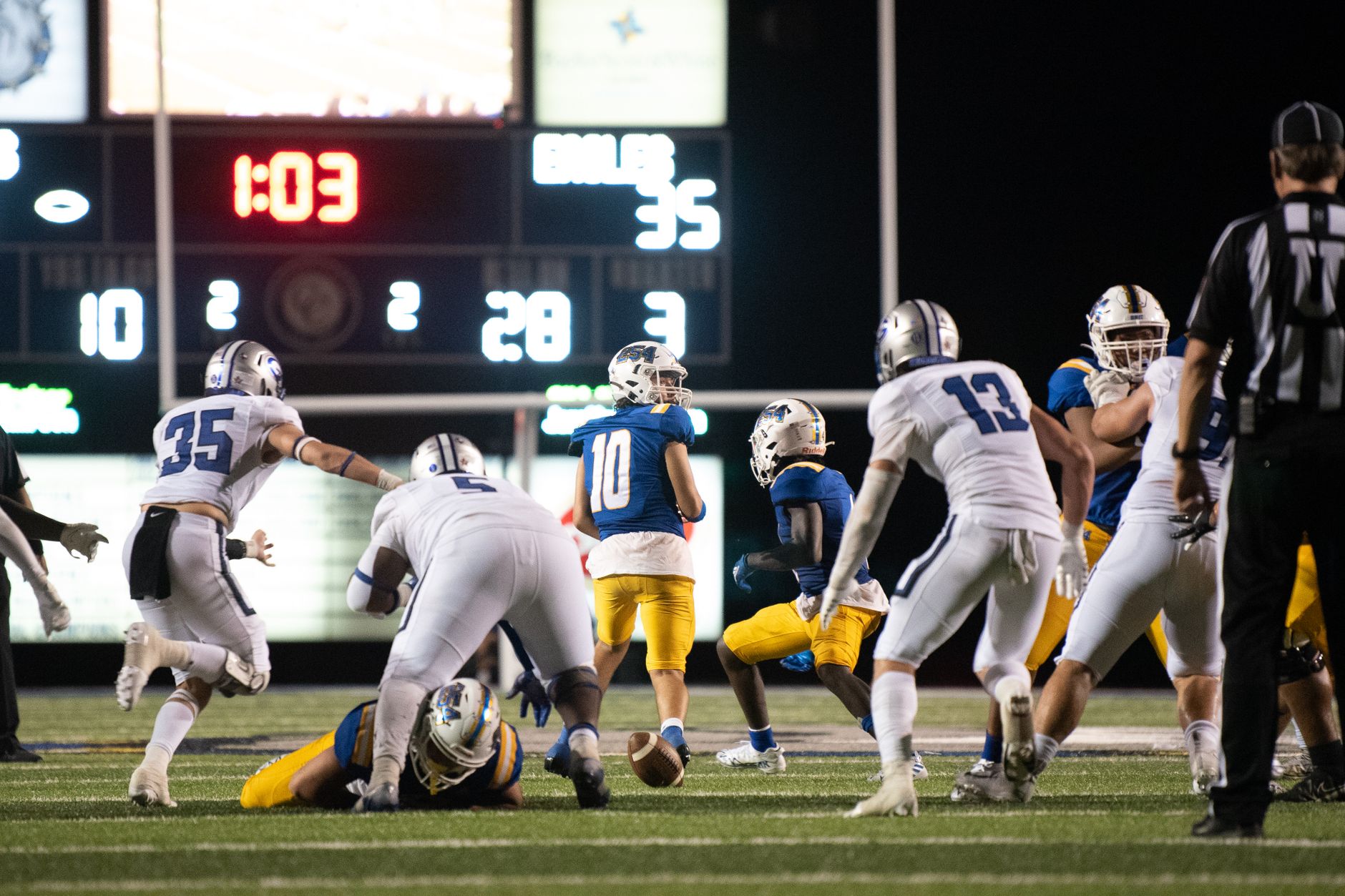
Photo by David Morris on Pexels
Myth 1: Does the 2026 college football schedule decide everything? — debunked
No, the 2026 college football schedule creates opportunity and risk, but it does not decide outcomes by itself. ESPN lists Week 1 from August 22 to September 7 and bowls from December 13 to January 27, yet team form, roster health, travel, and matchup style determine whether a schedule is truly difficult.
The common mistake is treating every road game or ranked opponent as equal. A neutral-site opener in Dublin, Ireland, such as North Carolina versus TCU, carries a different fatigue profile than a conference road game in November. Likewise, San Jose State visiting USC at the Los Angeles Memorial Coliseum may look straightforward because of a large spread, but a 35.5-point number introduces a different question: not “who wins,” but “how long do starters play, and what pace does the favorite choose?” According to ESPN’s college football schedule, Week 1 alone can stretch across more than two calendar weeks, creating unequal preparation windows.
A practical schedule read should include four numbered data points before any bet or prediction:
- Days of rest between games.
- Travel distance and time-zone change.
- Opponent offensive tempo.
- Injury exposure from prior physical matchups.
This is where Football Insights readers can borrow from World Cup-style fixture congestion analysis. Teams rarely lose because a schedule is “hard” in the abstract; they lose because a specific matchup stresses a thin position group at the wrong time.
[Internal Link: college football betting schedule analysis]
Myth 2: Are preseason rankings reliable in college football? — partially true
Preseason rankings are useful as a market signal, but they are not a dependable forecast by themselves. NCAA FBS coverage tracks early top 25 projections and Heisman contenders, yet those lists often lag behind transfer movement, offensive coordinator changes, and quarterback development during September.
The value of rankings is not that they reveal truth; it is that they reveal consensus. If a team opens 2026 in the top 10 because of brand power, returning production, or a College Football Playoff run, oddsmakers and public bettors may price that reputation quickly. The NCAA FBS football page regularly highlights rankings, playoff news, and national championship information, but even that authoritative hub separates headlines from final outcomes. One institutional phrasing worth remembering is NCAA’s own sport framing: FBS football coverage includes “news, scores, stats and FBS rankings,” not rankings alone.
A better approach is to split rankings into three buckets:
- Signal: returning quarterback, stable staff, proven trench play.
- Noise: brand name, last season’s bowl result, inflated recruiting narrative.
- Watchlist: new coordinator, transfer-heavy roster, unusual travel sequence.
See how analytical frameworks transfer across tournaments and leagues.
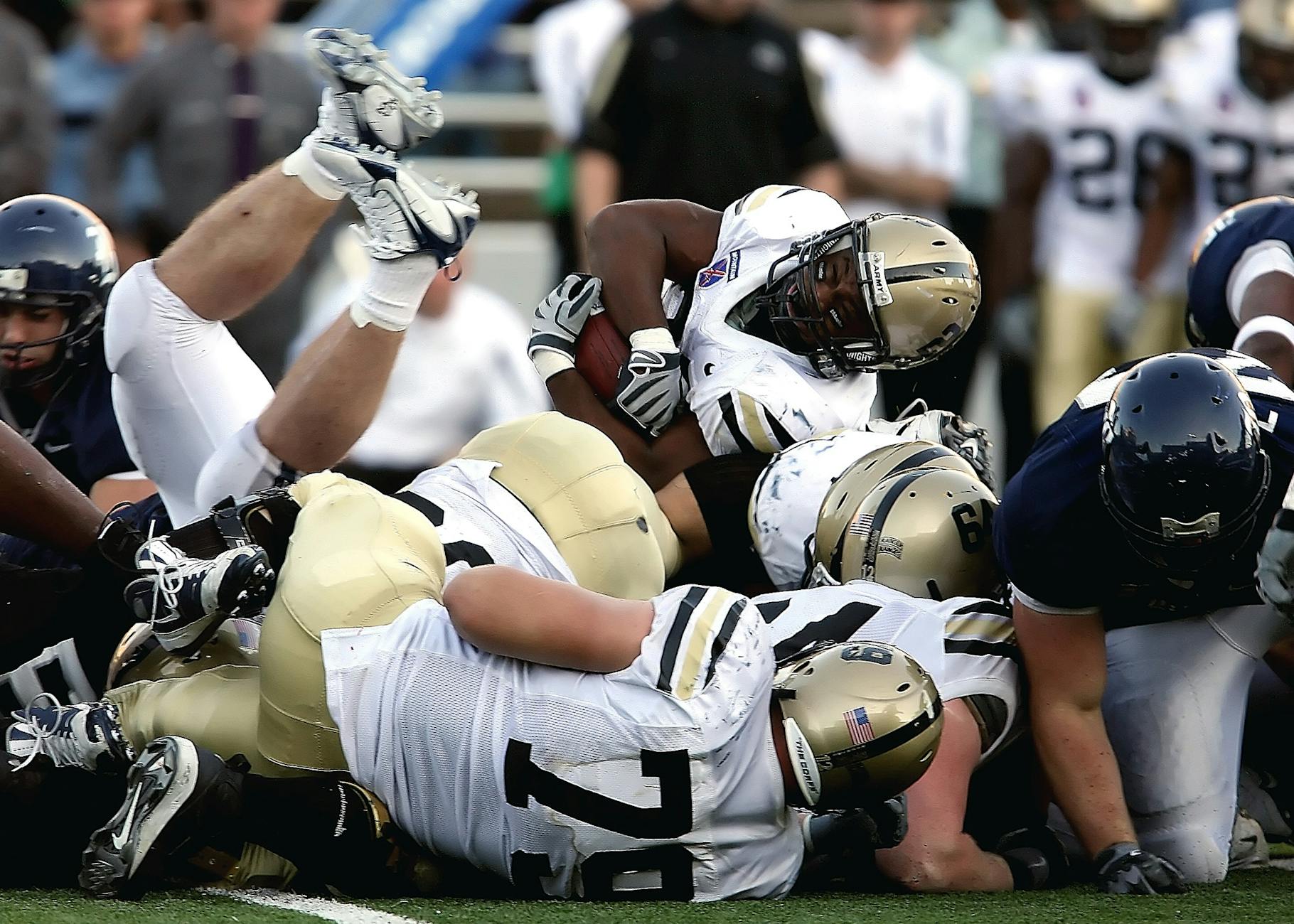
Photo by Pixabay on Pexels
Myth 3: Are early betting odds basically predictions? — flat-out false
Early college football odds are market prices, not final predictions. A line such as USC -35.5 or TCU -6.5 reflects available information, bookmaker risk, and bettor behavior at that moment, while injuries, weather, depth-chart updates, and motivation can shift the real probability later.
This distinction matters because point spreads and totals answer different questions. A favorite can be the better team and still fail to cover. A total such as 57.5 can look high until pace, defensive substitution patterns, and special-teams field position are included. In the reference schedule, early examples include TCU -6.5 with a 49.5 total and USC -35.5 with a 57.5 total. Those numbers help frame expectation, but they should never replace matchup work.
Two less-discussed edge cases deserve attention. First, international or unusual neutral-site games can suppress offensive timing early, especially when teams install new quarterback-center communication. Second, heavy favorites in Week 1 often become second-half volatility teams because backups enter earlier, turning a “dominant” game into a spread-management problem. Football Insights applies this same caution in World Cup markets: a moneyline view, handicap view, and total view can each tell a different story.
[Internal Link: point spread and totals guide]
What actually works?
What works in 2026 college football analysis is a layered model: schedule context first, roster stability second, efficiency metrics third, and market timing fourth. This framework avoids overvaluing one signal and helps fans, analysts, and bettors compare teams across FBS, FCS, and major conference environments.
The most reliable weekly process is deliberately unglamorous. Start with the official schedule, confirm venue and kickoff time, then identify whether the matchup has a travel, rest, or altitude issue. Next, compare roster continuity at quarterback, offensive line, and defensive front seven. Finally, check whether the market has already priced the obvious narrative. A Big Ten or SEC favorite may be accurately rated overall, yet still be a poor betting option if the number has moved beyond fair value.
Use this five-step checklist before Saturday:
- Confirm kickoff time, TV window, and venue.
- Track injury reports and depth-chart changes.
- Compare yards per play, explosive play rate, and red-zone finishing.
- Note weather, especially wind above 15 mph.
- Record opening line, current line, and your own fair number.
For definitions and historical context, Wikipedia’s college football overview correctly describes the sport as the college version of gridiron football, including American and Canadian forms. That broad history matters because today’s NCAA, CFP, FBS, and FCS structures grew from a sport where institutional identity and regional rivalries still influence public perception.
Photo by Franco Monsalvo on Pexels
For more data-led previews built for serious fans, continue with Football Insights.
What should you ignore?
You should ignore analysis that treats helmet logos, one viral highlight, or one preseason ranking as decisive. In 2026 college football, the stronger filter is whether a claim can be tied to schedule, personnel, efficiency, or price movement within a specific game context.
The noise is easy to spot. If someone says a team “always covers at home” without naming the opponent, spread range, quarterback, or weather, the claim has little predictive value. If a Heisman Trophy contender is used as the only reason to back a team, ask whether the offensive line can protect him and whether the defense can get off the field. If a College Football Playoff projection appears before meaningful September data, treat it as entertainment unless it includes transparent assumptions.
Ignore these common shortcuts:
- “This team is ranked, so it is safe.”
- “The favorite won last year, so the matchup is solved.”
- “A large spread means the underdog has no path.”
- “Bowl motivation is obvious from the team name.”
The conclusion is restrained but useful: 2026 college football rewards patient interpretation. The schedule gives structure, NCAA rankings provide context, ESPN odds reveal market belief, and the CFP creates late-season incentives. None is enough alone. Combine them, price uncertainty honestly, and revisit assumptions every week.
[Internal Link: football analytics bankroll management]
Ready to sharpen your weekly football analysis with a calmer, data-led approach?
Frequently Asked Questions
Q: What is college football?
A: College football is gridiron football played by university and college teams, mainly in the United States. The top NCAA level is FBS, which feeds rankings, bowl games, and the College Football Playoff. It differs from the NFL because roster turnover, eligibility, recruiting, and school schedules strongly affect team quality.
Q: How do I analyze a 2026 college football schedule?
A: Start with date, venue, opponent strength, rest days, and travel distance. Then compare quarterback stability, offensive line experience, defensive front depth, and weather conditions. For betting, record the opening line and current line so you can separate real value from late public movement.
Q: What is the difference between FBS and FCS?
A: FBS and FCS are two NCAA Division I football subdivisions with different postseason structures. FBS teams compete for bowls and the College Football Playoff, while FCS uses a playoff bracket. FBS programs usually have larger budgets, deeper rosters, and more national television exposure.
Q: Why do college football betting picks fail?
A: Most failed picks rely too heavily on rankings, team names, or stale injury information. College football changes quickly because young players develop unevenly and depth charts shift during the week. A better process checks line movement, matchup fit, weather, and motivation before committing.
Q: How much does it cost to follow college football data?
A: Basic college football data is often free through NCAA, ESPN, and school athletic sites. Paid tools may add advanced efficiency metrics, injury tracking, or betting-market alerts. Beginners should first master free schedules, box scores, and line history before paying for premium models.
Q: Is college football worth betting on in 2026?
A: College football can be worth betting on only if you use disciplined staking and avoid narrative-driven wagers. The 2026 season offers many information gaps, especially early in the year, but those gaps create both opportunity and risk. Set limits, compare prices, and never treat a prediction as certainty.