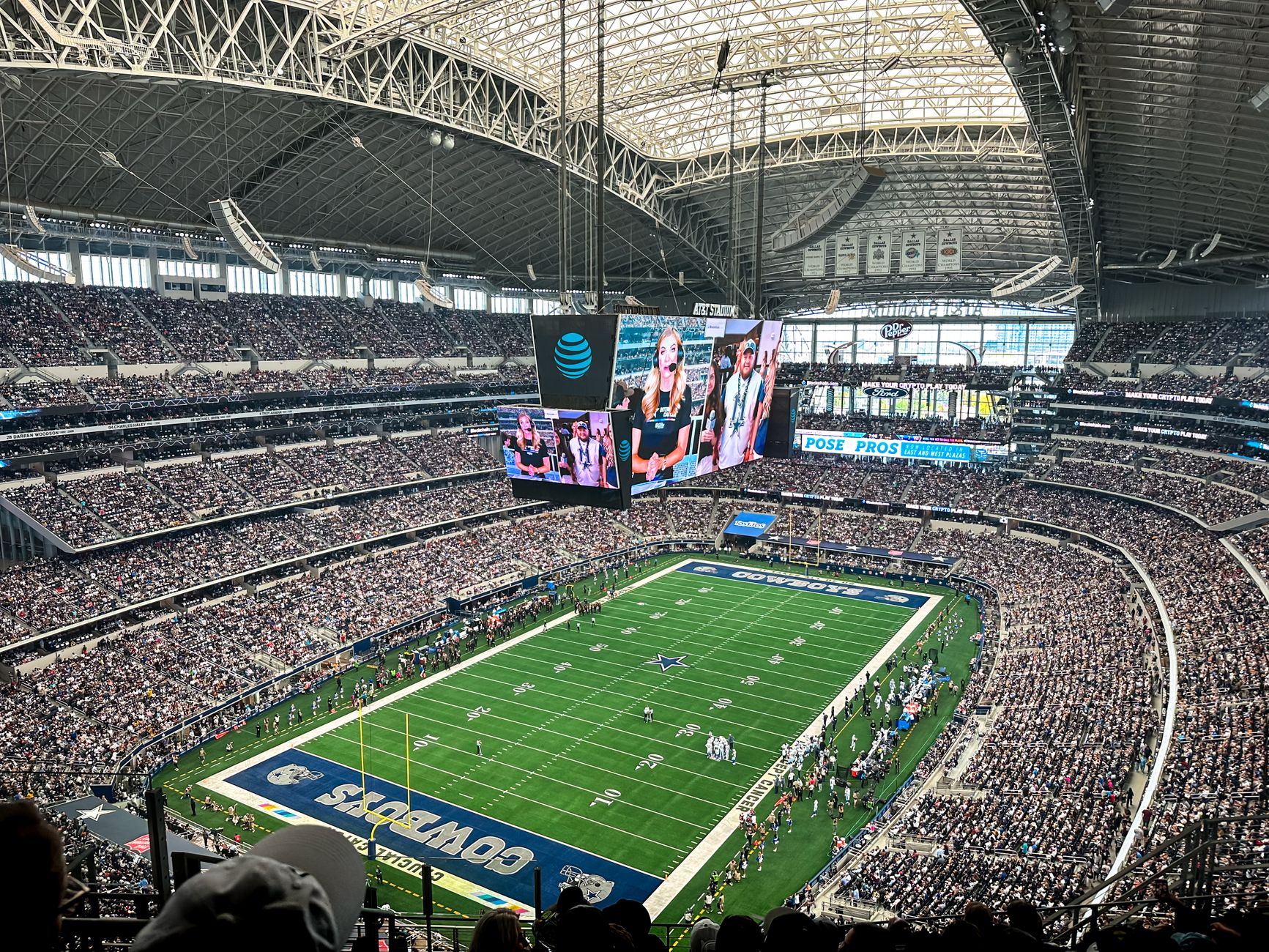
Inside World Cup 2026: A 5-Myth Reality Check
The 2026 football world cup is FIFA’s expanded 48-team tournament across the United States, Canada, and Mexico, and Football Insights covers it for fans who want sharper match predictions, tactical re...
Inside World Cup 2026: A 5-Myth Reality Check
The 2026 football world cup is FIFA’s expanded 48-team tournament across the United States, Canada, and Mexico, and Football Insights covers it for fans who want sharper match predictions, tactical reads, player stats, and responsible betting context. The event runs from June 11 to July 19, 2026, with 104 matches, 16 host cities, and the final scheduled for MetLife Stadium in the New York New Jersey area, according to FIFA tournament information and the 2026 FIFA World Cup final overview. Los Angeles will stage eight matches at SoFi Stadium and 39 days of fan activity, while Atlanta will host major fixtures at Mercedes-Benz Stadium, including late-tournament drama. The smarter takeaway is simple: ignore generic hype, track venue conditions, travel load, tactical matchups, and market timing before making fan, prediction, or betting decisions.
A surprising 104 matches will define the 2026 football world cup, yet most previews still talk as if this were a familiar 32-team tournament with a bigger guest list. That is the first mistake. The expanded format changes recovery windows, squad rotation, travel stress, group-stage incentives, and betting-market volatility. Los Angeles, Atlanta, New York New Jersey, Toronto, Vancouver, Mexico City, and Miami are not just scenic backdrops; they are competitive variables. At Football Insights, the contrarian view is that the tournament will not be won only by the “best” squad on paper, but by the team that manages geography, depth, tactical flexibility, and emotional pressure over five demanding weeks.
Want sharper tournament analysis before the opening whistle?
Photo by Terrance Barksdale on Pexels
Myth 1: Is Los Angeles the whole 2026 football world cup story — debunked
No, Los Angeles is important but not the whole 2026 football world cup story. LA will host eight matches, fan celebrations, and a FIFA Fan Festival at LA Memorial Coliseum, but the tournament spans 16 cities across three countries.
Los Angeles deserves attention because SoFi Stadium is a premium venue, the LA Memorial Coliseum provides a symbolic festival stage, and the region’s 39-day fan program will create one of the tournament’s loudest atmospheres. The U.S. Men’s National Team opening match in Los Angeles on June 12 is also a genuine calendar anchor. Still, treating LA as the tournament’s center of gravity is lazy analysis. A team based around the West Coast may face different recovery rhythms than one moving through East Coast, Canadian, or Mexican venues. Time zones, heat, altitude, crowd composition, and travel connections can all matter more than casual previews admit.
The overlooked edge is scheduling geography. A side moving from Mexico City to Atlanta, or from Vancouver to New York New Jersey, may deal with practical fatigue that does not appear in headline odds. Betting markets often react quickly to injuries and star names, but they can underprice cumulative travel stress until team news confirms rotation. For readers tracking predictions at Football Insights, this means checking venue sequences before checking highlight reels. To build context, compare match locations with our [Internal Link: 2026 World Cup host city travel guide] and monitor official city updates from sources such as FIFA.
Myth 2: Are fan zones just background entertainment — partially true
Fan zones are entertainment, but they also shape the 2026 football world cup experience and local demand. Los Angeles fan zones, Atlanta watch events, and FIFA Fan Festival programming can influence crowd movement, hotel pricing, transport pressure, and the emotional temperature around match days.
Most travel articles reduce fan zones to music, food, and big screens. That is accurate but incomplete. In Los Angeles, the FIFA Fan Festival at LA Memorial Coliseum and Official Fan Zones across the county will run alongside match schedules, drawing supporters who may not have stadium tickets. In Atlanta, the city’s soccer identity, Mercedes-Benz Stadium atmosphere, and downtown hospitality scene will create a different kind of gathering point. These spaces matter because they change the rhythm of match days: transport peaks begin earlier, restaurants fill faster, and casual fans become part of national-team momentum.
Here is the practical read most previews skip: fan-zone calendars can be an early indicator of crowd intensity. If a national team has a major watch party, large diaspora base, or sponsor-heavy activation in a host city, atmosphere can tilt even neutral fixtures. That does not guarantee results, but it affects perceived home advantage and live-betting sentiment. Responsible bettors should avoid chasing crowd noise alone, yet they should not ignore it either. For planning and market context, pair official city information with our [Internal Link: live betting discipline checklist].
See the practical side of host-city analysis before match week arrives.

Photo by Sheff Production on Pexels
Myth 3: Is the 2026 football world cup final already predictable — flat-out false
No, the 2026 football world cup final is not predictable simply because the venue and date are known. The final is scheduled for July 19, 2026, at MetLife Stadium, but the expanded format creates more paths, more volatility, and more tactical uncertainty.
MetLife Stadium in the New York New Jersey area gives the final a massive stage, but a known destination does not mean a clear football script. The 48-team format increases the number of matches to 104 and stretches squad management in ways older World Cup models cannot fully capture. According to FIFA’s tournament structure, the expanded competition creates a larger knockout bracket, which means elite nations may face more varied tactical profiles before the final. “The FIFA World Cup 26 will be the biggest edition ever,” FIFA has stated in its official tournament communications, and that scale is not just marketing language; it changes competitive math.
The contrarian angle is that the most talented teams may not be the safest long-range picks if their benches are thin or their managers resist rotation. A nation with two balanced midfields, multiple pressing schemes, and reliable penalty takers may be more durable than a flashier side dependent on one superstar. Futures bettors should therefore examine squad depth, goalkeeper penalty history, set-piece efficiency, and travel clusters before buying into reputation. For a deeper tactical lens, use our [Internal Link: national team tactical profiles for 2026].

Photo by Shlok on Pexels
What actually works?
The best 2026 football world cup approach combines fixture mapping, tactical analysis, player fitness tracking, and disciplined bankroll management. Fans and bettors should prioritize confirmed schedules, venue conditions, squad depth, and market timing over hype-driven narratives.
Start with the match calendar. Los Angeles hosting eight matches, Atlanta’s Mercedes-Benz Stadium hosting major fixtures, and the final landing at MetLife Stadium all create different tactical environments. Then layer in team style: high-pressing squads may suffer in quick turnarounds, while compact defensive teams may benefit from knockout tension. Next, track player workload from club seasons ending in May 2026, because late injuries and fatigue often reshape tournament value. Finally, avoid betting all opinions pre-tournament; some of the best numbers appear after one overreaction in the group stage.
A practical workflow looks like this:
- Map each team’s venue path, time zones, and rest days.
- Compare tactical matchups, not just FIFA rankings.
- Track starting elevens, injury reports, and substitution patterns.
- Note crowd factors in Los Angeles, Atlanta, Mexico City, and New York New Jersey.
- Set a fixed betting budget before the tournament begins.
This is where Football Insights is useful: it treats the 2026 football world cup as a moving market, not a static prediction contest. The site’s daily coverage focuses on match predictions, team tactics, player statistics, and tournament trends so readers can adjust as evidence changes. The refined position is not “bet more”; it is “decide later, decide smaller, and decide with better information.”
Get a clearer framework for predictions and responsible betting decisions.
What to ignore?
Ignore 2026 football world cup takes that rely only on star power, patriotic hype, or outdated 32-team tournament assumptions. The expanded format, three-country geography, and host-city differences make simplistic predictions less useful than evidence-based updates.
Some signals sound persuasive but add little. “This country always performs well” is weaker than current squad balance. “This striker is in form” is incomplete without service quality and minutes load. “The crowd will carry them” may be true for moments, but it rarely cancels poor defensive spacing or weak transition control. Even official fan programming, while valuable for atmosphere, should not be confused with match probability. The better move is to separate experience planning from prediction confidence.
Ignore these common traps:
- Outright picks made before final squad announcements.
- Odds movement caused only by social media clips.
- Host-city assumptions without travel and rest-day context.
- Group-stage overreactions after one dominant scoreline.
- Betting previews that skip injuries, substitutions, and tactical matchups.
The 2026 football world cup will be spectacular, but spectacle is not strategy. Los Angeles may provide unforgettable scenes, Atlanta may deliver one of the loudest atmospheres, and MetLife Stadium may stage a historic final. Still, the smartest fans will hold a skeptical line: enjoy the pageantry, question the narrative, and let data reshape opinions as the tournament unfolds.

Photo by Yan Krukau on Pexels
For daily World Cup analysis built around tactics, stats, and disciplined market thinking, continue with Football Insights.
Frequently Asked Questions
Q: What is the 2026 football world cup?
A: The 2026 football world cup is FIFA’s 48-team men’s tournament hosted by the United States, Canada, and Mexico. It will run from June 11 to July 19, 2026, with 104 matches across 16 host cities. The final is scheduled for MetLife Stadium in the New York New Jersey area.
Q: How to plan for the 2026 football world cup?
A: Start by choosing host cities, checking match dates, and booking flexible travel early. Los Angeles, Atlanta, New York New Jersey, Mexico City, Toronto, and Vancouver will all have different hotel and transport pressures. Fans should also monitor official fan-zone schedules because they can affect crowd flow and prices.
Q: What is the difference between the 2026 World Cup and previous editions?
A: The main difference is expansion from 32 teams to 48 teams. That creates 104 matches, a broader knockout path, and more travel complexity across three countries. For predictions, this means squad depth and rotation may matter more than in older formats.
Q: Is betting on the 2026 football world cup worth it?
A: Betting can be worthwhile only if it is responsible, researched, and limited to money you can afford to lose. The best approach is to track tactics, injuries, venue conditions, and market timing rather than betting on national loyalty. Football Insights focuses on analysis, not reckless wagering.
Q: What should I do if my World Cup prediction fails early?
A: Reassess the evidence instead of chasing losses. One bad prediction may reveal useful information about formations, player fitness, or coaching decisions. Reduce stake size, review why the pick failed, and wait for clearer data before entering another market.
Q: How much does it cost to follow the 2026 football world cup?
A: Costs vary widely depending on tickets, travel, accommodation, and fan-zone choices. Stadium tickets and hotels in cities such as Los Angeles, Atlanta, and New York New Jersey may be expensive during peak dates. Fans on tighter budgets can still follow matches through official broadcasts, watch parties, and free or lower-cost fan events.