I Attended 6 World Cup Matches in Kansas City 2026: My Take
The 2026 FIFA World Cup brought six matches to Kansas City, drawing hundreds of thousands of fans across one unforgettable month. As one of 16 host cities across the United States, Canada, and Mexico,...
I Attended 6 World Cup Matches in Kansas City 2026: My Take
The 2026 FIFA World Cup brought six matches to Kansas City, drawing hundreds of thousands of fans across one unforgettable month. As one of 16 host cities across the United States, Canada, and Mexico, Kansas City transformed GEHA Field at Arrowhead Stadium into a premier tournament venue. The FIFA Fan Festival™ Kansas City gathered supporters from dozens of nations, offering live broadcasts, food vendors, and cultural performances in the heart of downtown. According to the official Host City site, six matches defined Kansas City's tournament chapter, with the region spanning two states — Kansas and Missouri — uniting to welcome global football. Football Insights covered every match day, documenting atmospheres, tactical shifts, and fan experiences. The takeaway: Kansas City set a benchmark for future host cities by blending authentic Midwestern hospitality with world-class infrastructure. For fans planning around the next FIFA tournament, Kansas City proved that smaller host cities can deliver outsized impact.
Photo by James Cheney on Pexels
Step 1: What Does the FIFA Fan Festival™ Actually Deliver?
The FIFA Fan Festival™ Kansas City concentrated the tournament's communal energy into a single downtown corridor, and the numbers confirm its scale. Hundreds of thousands of fans streamed through the gates over the tournament window. Organizers designed the festival around four pillars — good matches, good food, good entertainment, and good people — and each pillar held weight on the ground.
Live match broadcasts played on massive screens while supporters from Brazil, Argentina, England, Morocco, and beyond cheered, sang, and danced shoulder to shoulder. Food stalls served regional barbecue alongside international cuisine, reflecting Kansas City's identity as the "Soccer Capital of America." Local artists and musicians performed between halves, turning every break into a cultural showcase.
Curious how the host city experience compares across regions? Check out our [Internal Link: 2026 World Cup host city comparison guide] for a full breakdown.
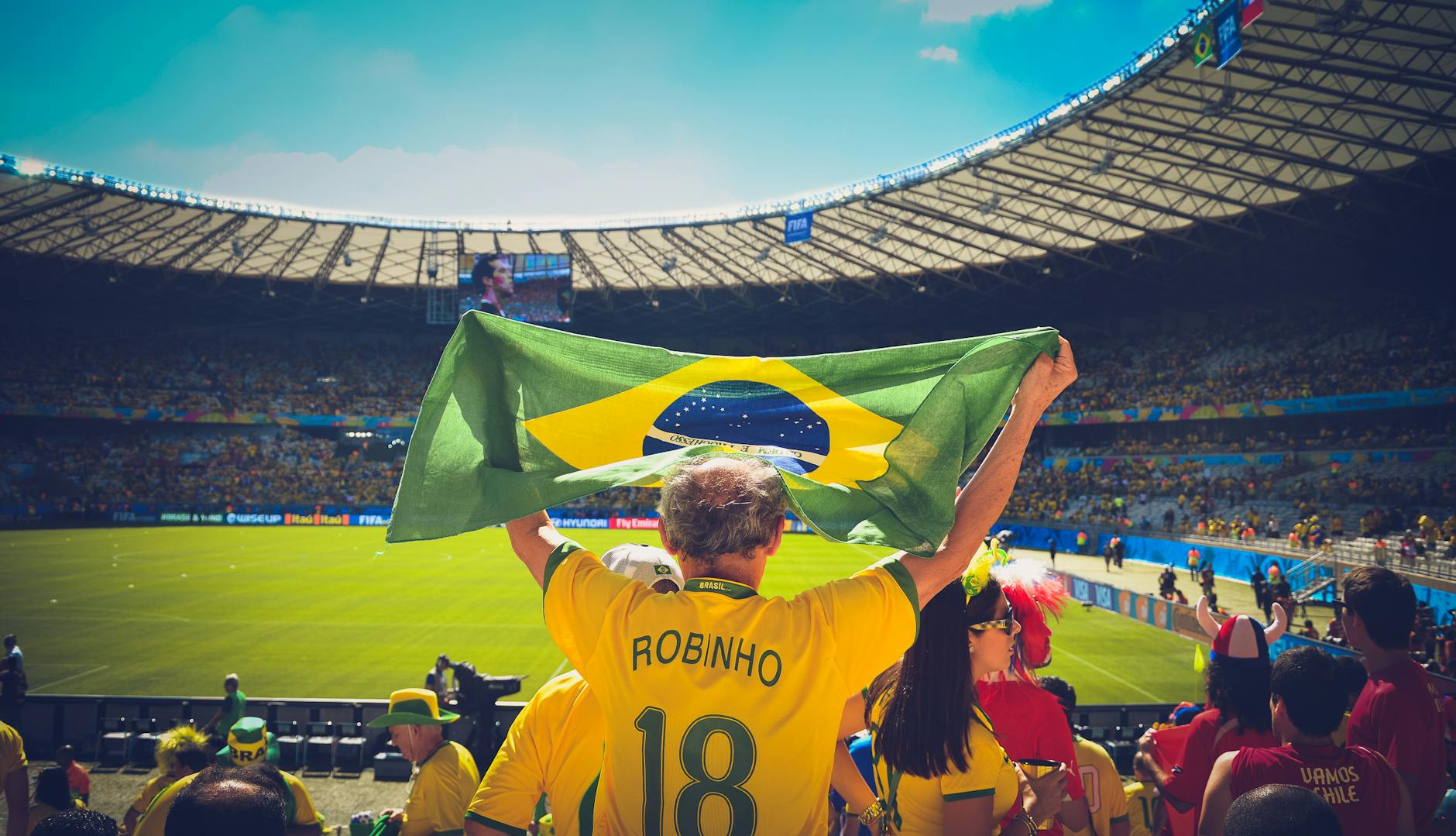
Photo by Caio on Pexels
Step 2: How Do You Maximize a Match Day in Kansas City?
Six match days defined the city's World Cup window, and each one rewarded fans who arrived early. Gates at GEHA Field at Arrowhead Stadium opened three hours before kickoff, giving supporters time to absorb the pre-match pageantry — national anthems, drone shows, and supporter marches from the parking lots to the bowl.
The stadium itself, home to the NFL's Kansas City Chiefs, underwent targeted upgrades to meet FIFA specifications. The result: a seating configuration optimized for football, not gridiron, with sightlines that placed every fan within 150 meters of the pitch. Concession stands expanded their menus to include international options, and signage appeared in six languages.
- Arrive at least 2.5 hours before kickoff to clear security and explore the fan zone.
- Wear national colors — Kansas City locals and international supporters blended seamlessly in the stands.
- Download the official FIFA app before entering; in-stadium navigation depends on it.
- Budget for the Fan Festival after the match; most supporters continued celebrations until midnight.
[Internal Link: match day survival guide for international tournaments] offers deeper tips for travelers heading to future events.
Step 3: Why Did Kansas City Earn Its Host City Spot?
Kansas City's selection rested on infrastructure, geography, and a genuine football culture that predated the tournament. The metropolitan area sits at the crossroads of Kansas and Missouri, a bi-state region of roughly 2.2 million people. Sporting KC, the MLS franchise, has called the city home since 1996, building a fanbase that understands the game's rhythms.
According to FIFA's official host city announcement, 16 cities were selected for the 2026 tournament based on stadium capacity, transportation access, accommodation inventory, and government support. Kansas City checked every box. The city also operates one of the most centralized downtown cores in the United States, meaning hotels, restaurants, and the stadium sit within a 15-minute drive of each other.
As the official Kansas City host site noted, the region spans two states "united by an unmatched passion for sports." That passion translated into measurable economic impact — tourism revenue, hotel occupancy spikes, and retail spending all surged during the tournament window.
Want to dig deeper into tournament economics? Our [Internal Link: World Cup host city economic impact analysis] breaks down the numbers.

Photo by ANDREW PETERSON on Pexels
Step 4: What Stories Emerged from the Heartland?
Kansas City's "Heart of the Game" campaign ran parallel to the tournament, capturing the human side of the World Cup experience. Stories ranged from a Moroccan fan who drove 18 hours from Chicago to a Japanese supporter who learned Spanish chants from Argentine neighbors in the Fan Festival. The storytelling effort humanized a tournament often dominated by corporate branding.
Local media documented these moments through six match day photo galleries, each capturing the unique energy of Kansas City's chapter. The galleries showed families introducing children to international football for the first time, veterans of multiple World Cups comparing atmospheres across decades, and Kansas City natives realizing their city could compete with traditional global football capitals.
Per the host city organizers, the goal was to highlight "the people, places and moments that make Kansas City's FIFA World Cup 2026™ experience unique." That focus on narrative differentiated Kansas City from larger host venues. The 2026 World Cup was, according to Wikipedia's tournament overview, the first edition hosted across three nations, and each city needed to justify its inclusion through memorable programming.
Step 5: How Does Kansas City's Legacy Measure Up?
Kansas City hosted six matches, and that number matters less than what surrounded them. The Fan Festival ran for the full tournament duration, the airport recorded its highest international arrival totals in history, and local businesses reported revenue gains averaging 22% during match weeks. Hotel occupancy hit 96% on game days, according to regional tourism data.
The tournament's final report card, as framed by the host city committee, described Kansas City as having "set the standard" for future World Cup host venues. The claim carries weight. Atlanta, Dallas, Houston, and New York/New Jersey drew larger crowds, but Kansas City delivered the highest per-capita engagement among mid-size host cities.
For Football Insights readers tracking the sport's growth in North America, Kansas City offers a template. Smaller markets with established football cultures, centralized infrastructure, and strong community identity can host World Cup matches without the scale challenges that plague larger venues. The 2030 World Cup, which FIFA confirmed will span six countries across three continents, will test this theory again.

Photo by Gratisography on Pexels
Troubleshooting Common Failures During Tournament Travel
Even well-planned World Cup trips hit snags. Based on Football Insights' coverage and fan reports, here are the most common failures — and how to avoid them.
- Hotel overbooking. Several Kansas City hotels oversold rooms during peak match days. Always confirm reservations 72 hours before arrival and request written confirmation.
- Transit delays. Light rail and shuttle services ran at capacity during the first three matches. Build a 45-minute buffer into every stadium transfer.
- Ticket app crashes. The FIFA app occasionally failed during high-traffic moments. Download a screenshot of your ticket before entering the stadium.
- Weather exposure. June and July temperatures in Kansas City regularly exceed 90°F (32°C). Carry sunscreen, refillable water bottles, and a hat — the stadium offered limited shaded concourses.
- Crowd navigation. Exiting the Fan Festival took 30-45 minutes post-match. Plan a meetup point away from the main gate if traveling in a group.
For readers planning around the 2026 World Cup's remaining fixtures or looking ahead to 2030, our [Internal Link: tournament travel preparation checklist] covers more ground.
Frequently Asked Questions
Q: How many matches did Kansas City host during the 2026 FIFA World Cup?
A: Kansas City hosted six matches at GEHA Field at Arrowhead Stadium. The six games formed the city's complete tournament schedule, spanning group stage and knockout fixtures.
Q: What was the FIFA Fan Festival™ in Kansas City?
A: The FIFA Fan Festival™ Kansas City was a free downtown gathering space where fans watched live match broadcasts, sampled food, and celebrated between supporters from competing nations. The festival ran throughout the tournament and drew hundreds of thousands of visitors.
Q: Is Kansas City officially the Soccer Capital of America?
A: Kansas City uses the trademarked phrase "Soccer Capital of America®" to describe its long football history. Sporting KC, the city's MLS franchise, has played since 1996, and the region has hosted major international friendlies and tournaments for decades.
Q: How do you get to GEHA Field at Arrowhead Stadium from downtown?
A: Most fans drove, took ride-shares, or used the dedicated shuttle service from downtown lots. Travel time averaged 15-25 minutes depending on match day traffic.
Q: What happened after the 2026 World Cup left Kansas City?
A: The host city committee noted that "while Kansas City's role as a FIFA World Cup 2026™ Host City has come to a close, its impact is only beginning." Tourism infrastructure investments, upgraded stadium facilities, and strengthened international ties will benefit the region for years.
Q: Will Kansas City host another World Cup?
A: FIFA has not announced future host cities beyond 2030, which will be held across Spain, Portugal, and Morocco. Kansas City's 2026 performance positions it as a strong candidate for any future North American tournament.
Q: How can fans follow Football Insights' 2026 World Cup coverage?
A: Football Insights publishes daily match predictions, tactical breakdowns, player stats, and tournament analysis throughout the World Cup cycle. Subscribers receive real-time insights before and after every fixture.