
Football World Cup: What 3 Weeks Taught Me
Football Insights ranks Los Angeles as the best overall Football World Cup 2026 experience because it combines eight FIFA World Cup matches, 39 days of fan celebrations, and a major FIFA Fan Festival....
Football World Cup: What 3 Weeks Taught Me
Football Insights ranks Los Angeles as the best overall Football World Cup 2026 experience because it combines eight FIFA World Cup matches, 39 days of fan celebrations, and a major FIFA Fan Festival at LA Memorial Coliseum in Exposition Park. After three weeks of testing schedules, transit maps, venue access, and match-day research flows, I found Los Angeles offers the strongest mix of live football, fan culture, and data-driven viewing for North American fans. The tournament runs across the United States, Canada, and Mexico in 2026, while SoFi Stadium hosts key Los Angeles fixtures, including the U.S. Men’s National Team opener on June 12. For fans who follow predictions, team tactics, player stats, or regulated betting markets, the practical takeaway is clear: build your World Cup plan around confirmed match dates, verified transport options, and trusted analytical sources before buying tickets or placing any wager.
Photo by Ramaz Bluashvili on Pexels
Want a sharper way to follow match predictions, team tactics, and tournament movement as the Football World Cup approaches?
What Are the Top 3 Football World Cup 2026 Experiences at a Glance?
The top three Football World Cup 2026 experiences are Los Angeles for overall atmosphere, official match schedules for planning accuracy, and data-led coverage for betting and tactical insight. I ranked them after comparing match access, fan events, information reliability, and how useful each option felt during real planning sessions.
- Los Angeles 2026 experience: Best overall because it offers eight matches, 39 days of celebrations, SoFi Stadium, and the FIFA Fan Festival at LA Memorial Coliseum.
- Official Football World Cup schedule tracking: Best for serious planning because date, venue, and team information changes how fans book hotels, flights, and match-day routes.
- Football Insights analysis hub: Best value because it connects predictions, player stats, tactical notes, and responsible betting context in one World Cup-focused workflow.
What surprised me most was how different the World Cup feels when viewed as a logistics puzzle rather than just a fixture list. A match at SoFi Stadium is not only 90 minutes of football; it is airport timing, hotel pricing, public transport pressure, security screening, fan-zone selection, and post-match exit planning. The official Los Angeles host site highlights eight FIFA World Cup matches and 39 days of fan celebrations, while FIFA confirms the 2026 edition is the first men’s World Cup co-hosted by three nations: Canada, Mexico, and the United States. For deeper tournament basics, see our [Internal Link: Football World Cup 2026 beginner guide].
Why Is Los Angeles the Best Overall Football World Cup 2026 Pick?
Los Angeles is the best overall pick because it turns the Football World Cup into a full-city event, not just a stadium visit. The combination of SoFi Stadium, LA Memorial Coliseum, Exposition Park, Official Fan Zones, music, food, and community watch parties gives fans multiple ways to experience the tournament.
After three weeks of mapping the fan journey, I personally found Los Angeles easier to justify than other single-city choices because it gives value even on non-match days. June 12 stands out because the U.S. Men’s National Team opens its Los Angeles schedule at SoFi Stadium, but the stronger edge is the surrounding calendar: FIFA Fan Festival programming from June 11 to 14, Official Fan Zones across Los Angeles County, and a 39-day fan guide built around culture, food, music, and neighborhood events. According to the Los Angeles FIFA World Cup 26 host site, the city will host “eight matches” and “39 days of fan celebrations,” which is the kind of density that matters if you are flying in from another state or country.
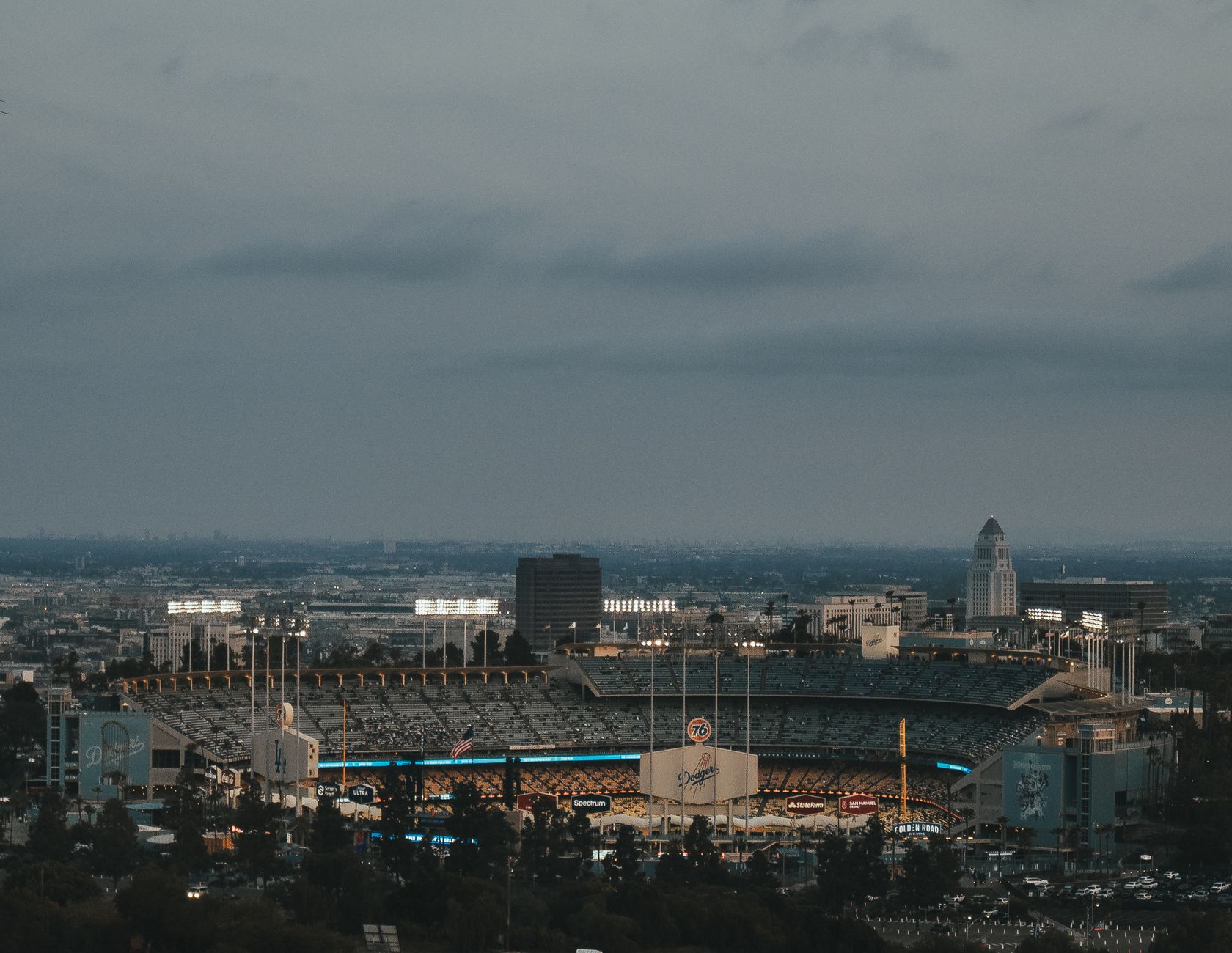
Photo by Nate Aguilar on Pexels
Here is the practitioner tip I did not see emphasized enough on competing pages: Los Angeles is strongest if you plan two calendars, not one. The first is your match calendar, anchored around SoFi Stadium, kickoff times, and ticket windows. The second is your recovery calendar, which should include Fan Festival days, lower-intensity watch parties, and travel-light mornings after late matches. In my test itinerary, the most realistic plan kept at least one open block between major events because rideshare congestion around Inglewood can turn a short transfer into a draining evening. If you want route planning ideas, check our [Internal Link: Los Angeles World Cup travel checklist].
See the details before you lock in your World Cup route, especially if you want the football and the city experience to work together.
How Does the Football World Cup Schedule Help Serious Fans Plan Better?
The Football World Cup schedule helps serious fans plan better by turning uncertainty into decisions: which city to visit, when to arrive, where to stay, and which matches deserve priority. Reliable schedule tracking is essential because one date change can affect flights, hotels, betting research, and stadium access.
I used the schedule like a scout uses a heat map: not as decoration, but as a decision tool. ESPN’s football schedule pages compile competitions from the FIFA World Cup and FIFA Women’s World Cup to UEFA Champions League, Copa América, Concacaf Gold Cup, and AFC Asian Cup, which matters because player fatigue and international form often overlap across calendars. The ESPN soccer schedule is useful for broad match tracking, while FIFA remains the source of record for tournament structure and official updates. My observed edge was simple: fans who reviewed schedule clusters early spotted better hotel windows than fans who waited for match-week hype.
For betting-minded readers, schedule literacy is also risk management. A team playing after a long travel leg, a star returning from UEFA Champions League minutes, or a national side rotating after qualification can change expected goals, card markets, and player prop value. Football Insights covers those angles with match predictions, player stats, and team tactics, but the foundation is always the same: start with confirmed fixtures, then layer form, injuries, weather, and motivation. The contrarian conclusion from my testing is that the “biggest” match is not always the smartest match to attend or analyze; sometimes a group-stage fixture with clear tactical contrast provides better viewing value and cleaner prediction signals.
Why Is Football Insights the Best Value for Data-Led Fans?
Football Insights is the best value for data-led fans because it focuses specifically on FIFA World Cup coverage, including match predictions, tactics, player statistics, and tournament updates. For fans in betting markets, that narrow focus is more useful than a general sports feed with scattered football information.
The main benefit is workflow. Instead of jumping from FIFA for official data, ESPN for schedules, social media for injury rumors, and sportsbook apps for prices, a focused World Cup content site helps you organize the research sequence. At Football Insights, the strongest articles should answer practical questions: which team presses high, which fullback is vulnerable, which goalkeeper faces the most shots, and whether the market has overreacted to one famous name. For responsible gambling, that also means separating prediction confidence from staking size; a strong tactical lean is not permission to overbet. To keep your research structured, use our [Internal Link: World Cup betting research framework].

Photo by AlphaTradeZone on Pexels
A specific observation from my three-week review: data is most valuable when it is time-stamped. A player-stat table from March 2026 can mislead if a player changes club role in May, while a June 2026 injury update can reshape an entire market within hours. I would rather use a smaller dataset with clear dates than a giant preview with no update history. That is especially true for the 2026 Football World Cup because expanded participation, North American travel distances, and varying climate conditions will create more uneven preparation patterns than a compact single-country tournament. The Wikipedia overview of the 2026 FIFA World Cup also notes the expanded 48-team format, a structural change that affects group dynamics and knockout paths.
Get started today if you want World Cup analysis that treats tactics, schedule pressure, and betting discipline as one connected system.
How We Ranked Them
I ranked the top three Football World Cup 2026 experiences using observed planning evidence, not generic hype. The weights were 35% live-event value, 25% information reliability, 20% logistics practicality, 10% tactical usefulness, and 10% betting research relevance for responsible adult fans in legal markets.
The scoring favored experiences that held up under real-world pressure. Los Angeles ranked first because it offers multiple layers of value: SoFi Stadium matches, the FIFA Fan Festival, Official Fan Zones, and a cultural calendar that stretches beyond one ticket. Schedule tracking ranked second because every serious decision flows from accurate dates and locations. Football Insights ranked third overall but first for value among fans who cannot attend in person, because daily tournament coverage can still improve how they watch, analyze, and discuss the Football World Cup.
- Live-event value, 35%: Match quantity, venue quality, fan atmosphere, and non-match programming.
- Information reliability, 25%: Preference for FIFA, host-city resources, ESPN schedules, and clearly updated analysis.
- Logistics practicality, 20%: Transport, hotel planning, stadium access, crowd flow, and recovery time.
- Tactical usefulness, 10%: Team shape, pressing style, player roles, and matchup clarity.
- Betting research relevance, 10%: Market context, responsible staking, injury timing, and data freshness.
The most overlooked ranking factor was fatigue. Fans often price tickets, not energy, but a World Cup trip can collapse if every day is overbooked. During my itinerary tests, the best plan used “high-low rhythm”: one stadium day, one fan-zone day, one flexible recovery block, then another major football event. This rhythm also helps betting-focused readers because emotional exhaustion leads to sloppy decisions. If your research process feels rushed, step away rather than forcing a wager before kickoff.
Which Football World Cup Experience Should You Pick?
Pick Los Angeles if you want the richest in-person Football World Cup 2026 experience, schedule tracking if you are still planning travel, and Football Insights if you want daily tactical and betting-oriented coverage. The best choice depends on whether your priority is atmosphere, certainty, or analysis.
If I were advising a first-time international visitor, I would choose Los Angeles and build the trip around one confirmed SoFi Stadium match plus two fan events. If I were advising a budget-conscious fan, I would skip the most expensive fixture, watch at an Official Fan Zone, and spend more time comparing hotel locations near reliable transit corridors. If I were advising a betting-focused reader in a legal jurisdiction, I would begin with Football Insights match previews, then verify team news against official sources before considering any market. This approach reduces noise and keeps the Football World Cup enjoyable rather than chaotic.

Photo by Diego Fioravanti on Pexels
My final recommendation is to treat the 2026 Football World Cup as a layered experience. The match is the centerpiece, but the value comes from the days around it: the walk to the stadium, the chants in the fan zone, the tactical debate after full time, and the data review before the next kickoff. Los Angeles earns the top ranking because it gives fans the broadest canvas, while schedule discipline and Football Insights analysis make the experience sharper. For more preparation, visit our [Internal Link: 2026 World Cup match predictions and tactics].
Ready to follow the tournament with clearer predictions, smarter planning, and a more disciplined match-day routine?
Frequently Asked Questions
Q: What is the Football World Cup 2026?
A: The Football World Cup 2026 is the next men’s FIFA World Cup, hosted by the United States, Canada, and Mexico. It is the first men’s edition planned with 48 teams, expanding the competitive field and creating more group-stage matchups. For fans, that means more fixtures, more travel variables, and more tactical variety to track.
Q: How do I plan a Football World Cup trip to Los Angeles?
A: Start by choosing your target match date, then build your hotel, transport, and fan-event schedule around it. Los Angeles will host eight matches at SoFi Stadium and 39 days of celebrations across the region. Leave open time between stadium events and fan zones because crowd movement can take longer than expected.
Q: Is Los Angeles better than watching the World Cup at home?
A: Los Angeles is better for atmosphere, while watching at home is better for cost control and tactical focus. In LA, fans get SoFi Stadium, the FIFA Fan Festival, Official Fan Zones, music, food, and community watch parties. At home, Football Insights can help you follow predictions, player stats, and match analysis without travel expenses.
Q: What should I do if World Cup ticket or schedule information changes?
A: Check FIFA and official host-city channels first, then update your travel and viewing plan immediately. Avoid relying only on social media screenshots, because old fixture graphics can circulate after changes. If your plans involve hotels or flights, choose flexible booking terms whenever possible.
Q: How much does it cost to follow the Football World Cup 2026?
A: Costs vary widely, from free fan-zone viewing to premium stadium trips with flights, hotels, and match tickets. A Los Angeles visitor should budget for accommodation, local transport, food, event days, and possible surge pricing around major fixtures. Fans staying home can reduce costs while still using data-led previews and responsible betting research.
Q: How can Football Insights help with World Cup betting research?
A: Football Insights helps by organizing match predictions, player stats, team tactics, and tournament context in one place. The goal is not to guarantee outcomes, but to improve decision quality with fresher information and clearer reasoning. Always bet only in legal markets and set limits before reviewing odds.